

Supporting Student Voters is Necessary for Democracy
By Jason Vadnos, special to cg-usa.org
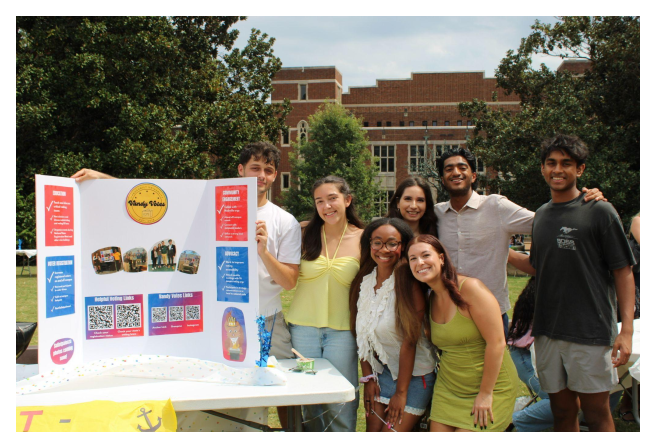
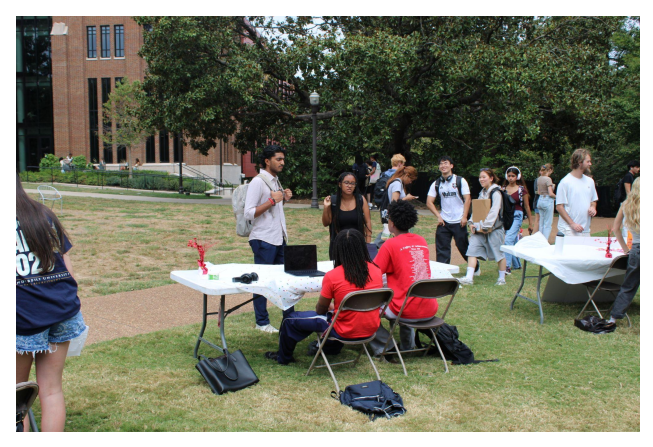
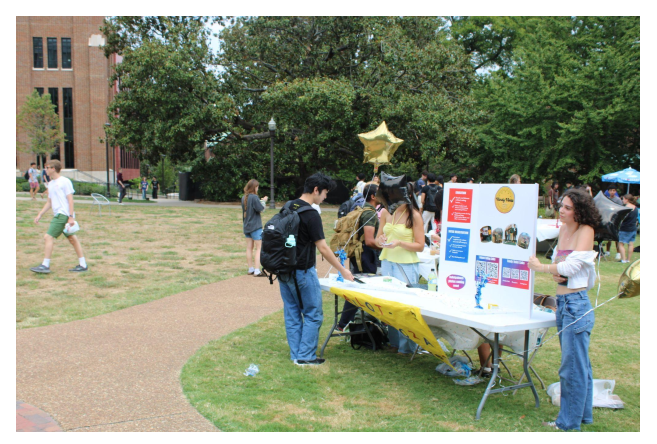
I sat at a table on my college campus with a poster board that read, "Want to vote? Ask me anything." Over the course of the day, more than 100 of my fellow students stopped by, asking me about registration laws in Tennessee, how mail-in voting works, and how to read the ballot from their home state. I handed out countless paper registration forms that students could fill out and return to me, so that I could hand-deliver them to the county election commissioner's office and ensure their voice was heard at the ballot box. But by the end of the week, only four completed forms came back to me.
The challenges my peers faced navigating this first step of the voting process were not personal, they were structural. I remember the first time I voted, just a few months after I turned 18, I had to register online and request an absentee ballot on my own. I spent nearly two hours scanning my county's election website, my state's Secretary of State webpage, and resources like TurboVote to find the instructions that applied to me. As the grandson of a civil rights activist, a political science major, and an active member of the nonpartisan voter engagement movement, I was incredibly motivated to vote—but it still took me hours to navigate the process! It’s no wonder young adults, deeply pressed for time and money, have the lowest election turnout rates of any age group.
While federal law requires most colleges to make a good-faith effort to distribute voter registration forms to their students, in the 2022 midterms, just 41.3 percent of registered college students actually cast a ballot. Tennessee, the home of my very own institution of Vanderbilt University, was among the five states where student voting rates dropped the most between 2018 and 2022. Beyond election turnout, a wealth of research—including Harvard’s semiannual Youth Poll and the Kettering Foundation’s Democracy for All Project—has found that young people have grown less trusting of the federal government and many feel that they don’t have any influence over what the government does. Together, these trends point to three connected problems: students can want to vote and still get lost in the process, students are losing faith that democracy works, and students don't feel their voice reaches the people making decisions.
But how can college campuses address these challenges and shape a new generation of active citizens? Well, a new Checklist for Campus Leaders, designed by Common Ground USA, the Kettering Foundation, and the National Civic League, offers a compelling path forward. Its recommendations can be grouped into just three key commitments that every college should make.
Teach us the process
Simply distributing registration forms is not enough to mobilize the youth vote. Students need to actually understand the mechanisms behind how voting works before we can meaningfully participate in the process. That means uplifting clear explanations of electoral procedures, including how early and absentee voting works and when results will arrive. Simultaneously, sharing tools like ALL IN to Vote can help us check our registration status, learn how and where to vote, and see what is on the ballot. Combine these educational efforts with tangible initiatives to make voting less burdensome, such as providing free rides to polling places or hosting an election site on campus, and young people are far more likely to have a smooth first vote. Making the ballot box less mysterious and more accessible can shape a lifetime of participation, with research finding that casting a ballot in just a single election substantially raises the odds of voting in the future.
However, this work can’t, and shouldn’t, be led by administrators alone. Instead, colleges need to establish a campus-wide culture of voting, bringing together club leaders, student journalists, fraternity and sorority councils, athletics coaches, and chaplains around a shared mission of making democracy real for students. By working together with the people we already trust, campus leaders can gain the reach, credibility, and personal connections they need to help every student participate during election season.
Help us talk to each other
Election season also puts hard conversations at the center of campus life, and many of us stay quiet rather than risk being pushed out of a friend group or judged by a professor. Part of why we're losing faith that democracy works is that many of us have never actually watched two people disagree and come out the other side still respecting each other, much less working together to meaningfully improve society. Rather than having debates with a winner, students need the chance to practice sitting with difference and searching for shared values. Initiatives like Together We Dine, offered through a partnership between Common Ground USA and Project Unity, do exactly this. Seating participants at moderated dinner tables where trained facilitators keep the conversation balanced and make sure every voice is heard, with 80 percent of attendees leaving an event feeling better able to respect political views different from their own. By helping young people talk to each other, colleges can ensure our future civic leaders aren't crippled by polarization and foster a sense of community that directly contributes to improved academic outcomes and mental health.
Keep us engaged after Election Day
After Election Day, many voter engagement groups go quiet. On my own campus, our student voting club is left hosting occasional civic education events or service projects come the spring semester or annual off-cycles, often with far lower attendance rates and an unclear strategy for transferring students’ election-season energy into other forms of civic engagement. Some of my peers have even asked “What’s the point of working with the Voting Club when the next major election isn’t for another two years?” When there isn’t an impending ballot to be submitted, the energy and attention centered around politics fade, and even the most civically engaged students can struggle to find ways to make a meaningful impact.
But election season is just the tip of the iceberg of democracy. Evaluating candidates and ballot measures raises deep questions about who we are and what we want society to look like, and campuses should capitalize on that momentum to help show students that their voice can have a real impact. For instance, sharing resources like 50 Things Anyone Can Do To Make Us Stronger Together can help cement democratic engagement as a year-round responsibility, empowering the roughly 40 percent of Americans who want to get involved in the causes they care about but haven’t because they weren’t invited or encouraged to participate or are unsure how to get involved. Meanwhile, reserving a seat for students on the university board, appointing students to local government bodies, and building credit-bearing pipelines straight into state government can all serve as powerful opportunities to connect young people with real decision-makers on and beyond campus.
Together, these strategies give students the skills, knowledge, and confidence necessary to make voting a lifelong habit. Beyond the ballot box, the civic agency we gain when campuses provide robust support for student voting gives us the tools we need to shape our future economic security, social mobility, and shared well-being.
Campus leaders, you can start this week. Simply choose one item on the checklist and act on it. You’ll find that there are countless students like me who are ready to show up, and with the right support, we can flourish as active citizens on Election Day and every day after.
Jason Vadnos is a senior at Vanderbilt University who participated in CG-USA’s Common Ground Journalism program. He has a deep passion for strengthening democracy, inspiring civic discourse, and empowering the next generation to become changemakers in their community. An avid journalist, nonprofit consultant, and youth board member, Jason seeks to center community and civic engagement in higher education and ensure that young people have the resources and opportunities they need to lead flourishing lives. Outside of these efforts, Jason loves exploring new cuisines, hiking, and traveling the world.
